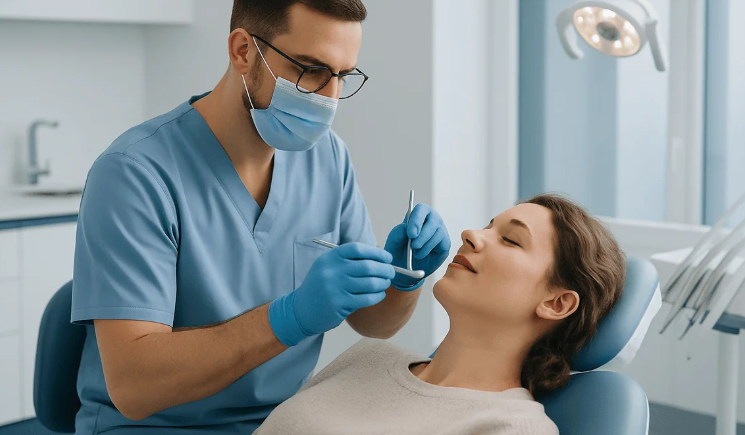
Planning Adult Teeth Straightening Protects Long Term Bite Function

Fixing an adult bite feels a lot like refactoring technical debt in an established codebase. When your teeth shift out of alignment over the years, uneven mechanical bite forces quietly wear down your enamel, strain your jaw joints, and trigger gum recession.
Achieving lasting alignment requires evaluating root movement physics rather than just focusing on clear plastic tray aesthetics. If you are researching digital scanning protocols with an invisalign clinic Singapore provider, comparing doctor-led staging against direct-to-consumer alternatives gives you a dependable baseline for your treatment roadmap. Setting up a structured orthodontic plan early protects your natural roots while keeping tooth movement completely predictable.
The Biomechanics of Clear Tray Movement
Clear aligners do not move teeth by simply gripping the smooth enamel crown. They rely on engineered force points created by tooth-coloured composite attachments bonded directly to specific teeth.
These small resin buttons act as mechanical handles, allowing plastic trays to exert three-dimensional torque on underlying roots. As you wear each tray, alveolar bone breaks down on the compression side and rebuilds on the tension side, guiding the tooth root into correct alignment. Moving teeth without attachments or clinical monitoring risks tipping crowns outward while leaving root apexes trapped in misaligned bone.
Removable Convenience versus Daily Compliance
Standard aesthetic guides promote clear aligners as completely effortless because you can take them out whenever you want. The non-obvious trade-off is that removable convenience places one hundred per cent of the mechanical execution risk onto your daily discipline.
Choosing clear aligners trades fixed wire permanence for strict twenty-two-hour daily wear accountability. Taking trays out for extended business lunches or leaving them on your nightstand for four hours a day halts biological tooth movement. When aligners are left out too long, teeth rapidly rebound toward their original positions, causing trays to stop tracking and requiring mid-course refinement scans that add months to your schedule.
The Premature Tray Switch Mistake
A very common and expensive mistake adult patients make is advancing to their next aligner set every five to seven days before their teeth have finished moving. People fall into this trap because they assume faster tray turnover delivers a faster final smile.
In reality, bone remodelling requires ten to fourteen days for osteoblast cells to solidify bone around newly positioned roots. Forcing a fresh tray over lagging teeth creates visible air gaps between the plastic and your biting edges. Once tracking fails, attachments unseat, forcing your orthodontist to pause treatment, take fresh digital impressions, and order an entirely new series of trays.
Calculating Real Two Year Treatment Economics
Let us examine a concrete worked example comparing an unmonitored mail-order tray kit against a doctor-led clinical protocol over twenty-four months. Consider an individual who buys a direct-to-consumer clear aligner kit for 2,400 dollars to save money upfront.
Because the mail-order kit cannot place composite attachments or manage complex bite contacts, two upper premolars tip outward into traumatic bite collision. Correcting this severe bite malocclusion requires eighteen months of comprehensive clinical re-treatment costing 6,500 dollars, alongside 1,200 dollars for restorative bite equilibration, bringing total spending to 10,100 dollars. In contrast, an initial doctor-led clinical protocol costing 6,800 dollars includes 3D scans, regular clinical tracking, and post-treatment retainers. Sourcing a supervised clinical protocol upfront saves 3,300 dollars while protecting your teeth from irreversible bite damage.
Core Operational Habits for Aligner Success
Ensuring predictable tooth movement while keeping your enamel healthy requires establishing simple, repeatable operational habits throughout your daily routine. Treating your aligner routine like a disciplined schedule keeps your treatment on track.
Incorporate these practical operational habits into your daily schedule:
- Clean your teeth before reseating trays: Brush and floss after every meal to avoid trapping sugars and acids beneath sealed plastic covers.
- Use silicone chewies for five minutes daily: Bite firmly on aligner seating cylinders each morning and evening to fully engage attachment grips.
- Store trays in protective cases immediately: Keep aligners inside a dedicated travel case whenever eating to prevent accidental breakage or loss.
A Clear Rule for Aligner Tracking
You do not need an orthodontic degree to know whether your teeth are tracking properly inside your clear aligners. You can apply a straightforward decision rule called the zero-gap contact check before advancing to your next tray set.
Stand in front of a mirror under bright lighting and inspect the biting edges of your front teeth while wearing your current aligners. If the clear plastic sits completely flush against every tooth edge with zero visible air space, your roots are moving on schedule and you may safely switch to the next set. If you see visible air gaps wider than one millimetre between the plastic and any tooth, do not switch trays; wear your current set for four additional days and contact your clinic to prevent losing attachment tracking.
Straightening adult teeth is ultimately about building a reliable biological strategy that respects root movement mechanics. By avoiding shortcut mail-order kits, sticking to strict daily wear schedules, and checking your aligner tracking regularly, you protect both your oral health and your finances. Approach your orthodontic planning with calm strategy, rely on solid clinical facts, and move forward with quiet confidence in your personal care plan.